

Cultural significance of casinos exploring their role in society and tradition
Historical Roots of Casinos
The history of casinos dates back centuries, with origins that can be traced to ancient civilizations. The earliest forms of gambling were often tied to religious rituals and festivals, emphasizing the role of chance in human life. In ancient Rome, for example, games of chance were popular among citizens, often associated with festivities where social bonds were strengthened. Such historical contexts highlight how gambling evolved as a form of entertainment, reflecting societal norms and communal values. For those interested in current gaming options, Betinia CA offers a modern platform to explore such traditions.
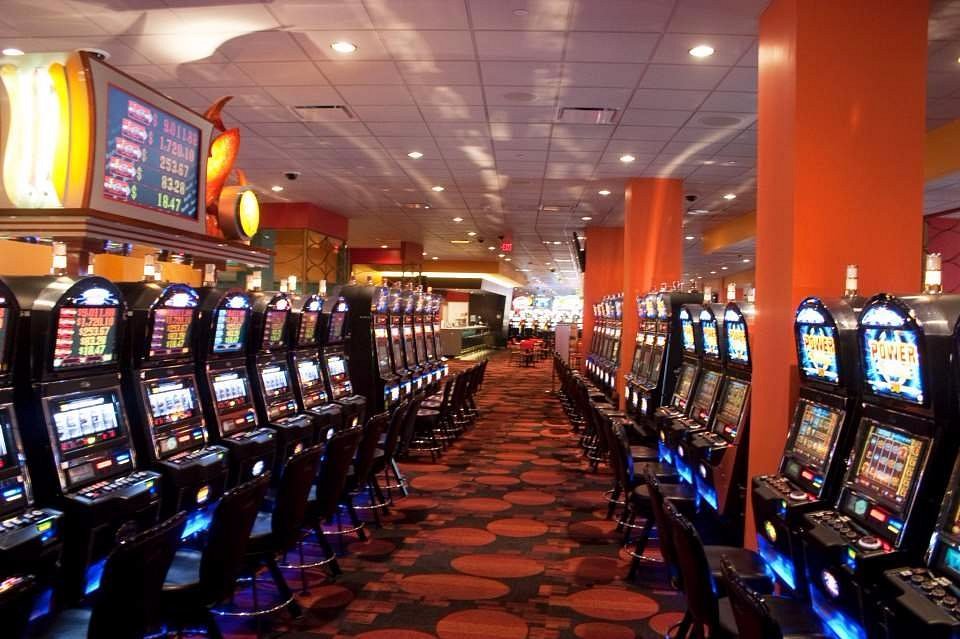
As societies progressed, the concept of casinos began to take shape, moving from informal gatherings to structured establishments. The first official casino, the Casino di Venezia, opened in Italy in the 17th century, setting a precedent for gambling houses. This marked a significant shift in how societies viewed gambling, transforming it into an organized activity that attracted various social classes and became intertwined with local culture and traditions.
Casinos as Social Hubs
Casinos often serve as vibrant social hubs where individuals from diverse backgrounds come together. This communal aspect is significant, as casinos provide spaces for interaction, networking, and socialization. Beyond gaming, these establishments host various events, such as live music and culinary experiences, fostering a lively atmosphere that encourages connections among patrons. Such environments can strengthen community ties and promote a sense of belonging, vital for the casino experience.
The role of casinos as social venues extends to their influence on local economies. By attracting tourists and residents alike, casinos contribute to regional development and generate employment opportunities. This economic impact highlights the dual role of casinos as both entertainment centers and essential components of the communities they inhabit.
Cultural Reflections in Casino Design
The architecture and design of casinos often reflect the cultural heritage of their locations. From the opulent designs of Las Vegas to the sleek modernity of Macau, each casino embodies the unique characteristics of its environment. These structures are not merely venues for gambling; they are artistic representations of local culture and identity. The intricate themes, decorations, and layouts often draw inspiration from historical and cultural narratives, enriching the gambling experience.
Moreover, the representation of local customs within casinos can create a sense of pride for communities. By integrating cultural symbols and motifs into their designs, casinos serve as ambassadors of regional heritage, showcasing the unique stories and traditions that define their locales. This cultural significance adds depth to the casino experience, allowing patrons to engage with the history and identity of the place they are visiting.
Challenges and Controversies Surrounding Casinos
Despite their positive contributions to society, casinos also face criticism and controversy. Concerns about gambling addiction and its social implications often overshadow their role in entertainment and economic development. Critics argue that the accessibility of casinos can lead to financial problems for individuals and families, prompting discussions about responsible gambling practices and regulatory measures.
Furthermore, the integration of casinos into communities can spark debates about morality and ethics. Some view gambling as a vice that can erode societal values, while others see it as a legitimate form of entertainment. This ongoing dialogue reflects broader cultural attitudes toward gambling and its place in society, indicating that the role of casinos is complex and multifaceted.

Exploring Online Casinos
In recent years, the rise of online casinos has transformed the gambling landscape. Platforms like Betinia offer a wide array of games, making it easier for players to engage with casino culture from the comfort of their homes. This shift not only provides convenience but also reflects changing societal norms regarding entertainment and leisure activities.
Online casinos are redefining the traditional casino experience, blending technology with social interaction through features like live dealer games. While they carry many of the same cultural significances as physical casinos, online platforms also pose unique challenges, such as ensuring a secure and responsible gaming environment. This evolution prompts ongoing conversations about the future of gambling and its role in modern society.