

Exploring the subconscious motives driving gambling behavior
The Historical Context of Gambling
Gambling has a rich history that dates back thousands of years, with evidence found in ancient civilizations. From the rudimentary games played in China around 2300 BC to the elaborate gaming halls of the Roman Empire, the allure of betting has persisted. These early forms of gambling were often tied to social and cultural rituals, reflecting deep-seated human tendencies towards risk and reward. Over time, gambling evolved to include various formats, such as dice games and lotteries, which were used to fund public works and military endeavors.

The historical significance of gambling is further highlighted by its presence in literature and art. Many prominent authors and artists have explored the themes of chance and fate within their works, revealing societal perceptions of gambling. From Shakespeare’s plays to Dostoevsky’s novels, the act of gambling serves as a metaphor for broader existential dilemmas. This literary exploration not only depicts the cultural acceptance of gambling but also illustrates the psychological complexities associated with it, showcasing the human need for uncertainty and excitement. https://tcl99-australia.com/
As societies progressed, gambling became more structured, leading to the establishment of casinos and betting houses in the 17th century. This shift reflected a growing acceptance of gambling as a legitimate form of entertainment, paving the way for modern gaming industries. The progression from informal gambling activities to regulated establishments showcases the interplay between societal values and individual motivations, offering insights into why people are drawn to gambling as a form of escapism and thrill-seeking behavior.
The Psychological Aspects of Gambling
The psychological mechanisms behind gambling behavior are deeply rooted in human cognition and emotion. One major factor is the concept of risk-taking, where individuals are driven by the thrill of uncertainty. This thrill is often linked to the brain’s reward system, which releases dopamine during exciting experiences, reinforcing the desire to gamble. When individuals win, their brains receive a surge of pleasure that can lead to repeated gambling behavior, creating a cycle that is hard to break.
Additionally, many gamblers often exhibit cognitive biases, such as the illusion of control and gambler’s fallacy. The illusion of control leads individuals to believe that they can influence the outcome of a game through skill or strategy, even in purely chance-based activities. This false belief can encourage more frequent gambling, as players feel empowered to change their fortunes. On the other hand, gambler’s fallacy, the belief that previous outcomes influence future ones, can lead players to chase losses and increase their gambling frequency, illustrating how cognitive biases can perpetuate gambling behavior.
Furthermore, emotional factors such as stress and boredom can contribute to gambling. For many, gambling serves as a coping mechanism to escape from negative emotions or a monotonous routine. This escape can provide immediate relief, which is particularly appealing in high-stress environments. Consequently, gambling becomes a way to experience excitement and distraction, further driving individuals towards the gambling environment, often despite the potential for adverse consequences.
The Social Influences on Gambling Behavior
Social influences play a crucial role in shaping gambling behavior, as humans are inherently social beings. The peer effect is particularly significant, where individuals may feel compelled to gamble due to the actions and attitudes of those around them. Social circles that normalize gambling can lead to increased participation, as the desire for social acceptance can drive individuals to engage in activities they might otherwise avoid. This phenomenon often leads to a normalization of gambling, particularly among younger demographics.
Additionally, marketing and advertising strategies employed by gambling establishments significantly affect public perceptions and behaviors. The portrayal of gambling as an exciting and glamorous activity can entice individuals to participate, often masking the potential risks associated with it. Promotions and loyalty programs further incentivize frequent gambling, creating an environment where individuals feel compelled to return for the allure of rewards and recognition. This creates a feedback loop where social acceptance and marketing strategies reinforce gambling behaviors.
The Role of Emotion in Gambling Decisions
Emotions play a pivotal role in gambling decisions, often overshadowing rational thought. Many gamblers experience a rush of adrenaline, which can cloud their judgment and lead to impulsive decisions. This heightened emotional state often accompanies significant wins or losses, triggering a cascade of feelings that can distort a gambler’s perspective. The thrill associated with winning can create a powerful emotional response, making it challenging for individuals to recognize the risks they are taking.
In many instances, feelings of nostalgia or excitement can drive individuals to gamble, especially when they reminisce about past victories. This emotional connection can lead to a form of attachment to specific games or betting strategies, making it difficult for individuals to walk away. When players rely on emotional experiences rather than logic, their decisions become increasingly erratic and unpredictable, often leading to negative financial and emotional consequences.
Moreover, negative emotions such as anxiety and depression can exacerbate gambling behavior. Individuals seeking relief from these feelings may turn to gambling as a coping mechanism, creating a dangerous cycle of reliance. The emotional highs and lows associated with gambling can lead to a distorted sense of reality, where the temporary excitement overrides the long-term consequences. Recognizing the emotional motivations behind gambling behavior is crucial for developing effective interventions and support systems for those struggling with gambling-related issues.
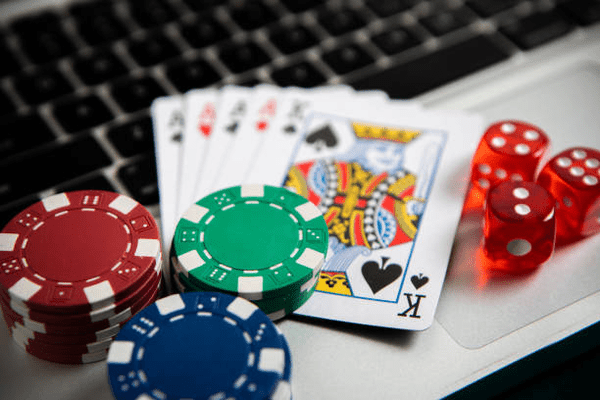
Discovering TCL99 Casino
TCL99 Casino is Australia’s premier online gaming destination, where players can explore a vast array of games and experiences. With over 3,000 premium slots and live dealer games, TCL99 offers something for everyone, from seasoned players to newcomers. The platform emphasizes user-friendly navigation and supports various payment methods, including PayID and cryptocurrencies, ensuring a seamless gaming experience tailored to modern preferences.
The casino’s welcoming approach is underscored by its generous promotional offerings, such as a $99 free bonus and up to $5,000 in welcome packages. These incentives are designed to enhance the gaming experience, encouraging players to immerse themselves fully in their favorite games. Additionally, the commitment to fast withdrawals and dedicated customer support reflects TCL99’s understanding of player needs, making it a trusted choice in the online gaming community.
At TCL99 Casino, players can engage with a vibrant community of fellow gamers, sharing their experiences and strategies while enjoying an array of games. The focus on responsible gaming is also a priority, as the platform promotes healthy gambling habits and provides resources for individuals seeking support. Whether you’re seeking excitement or a social outlet, TCL99 Casino delivers a comprehensive online gaming experience that caters to diverse interests and preferences.